Which Packaging Material Is Right for a Sustainable Future?
The world of sustainable packaging is evolving quickly, but “eco-friendly” does not mean the same thing for every material.
From home-compostable pulp to CPLA, biodegradable plastics and recyclable packaging, each material has different characteristics, disposal requirements and environmental advantages.
For brands looking to move away from conventional plastic, understanding these differences is essential.
1. Home Compostable Pulp
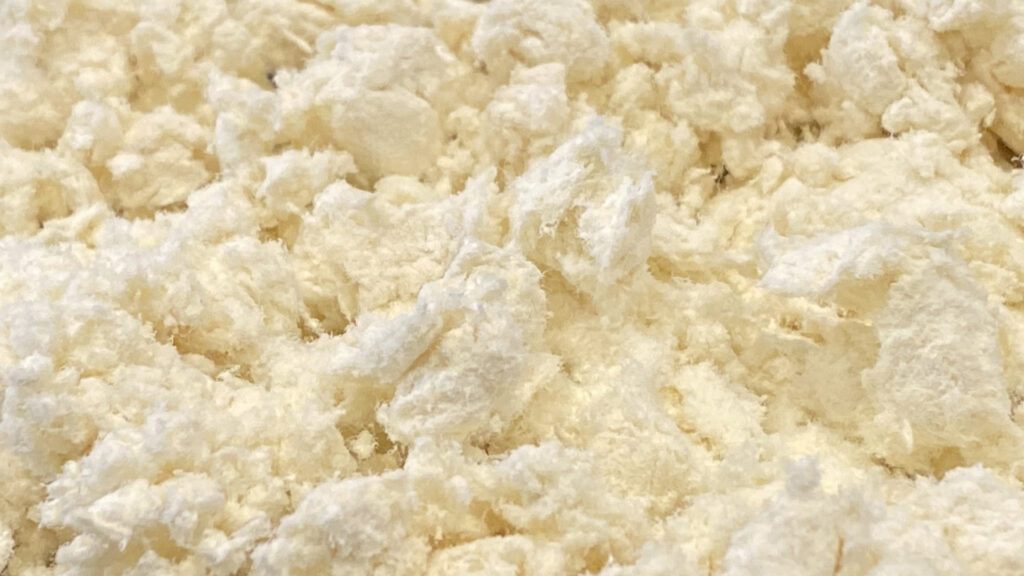
Home-compostable pulp is made from natural plant-based fibers such as sugarcane bagasse, bamboo and other renewable cellulose sources.
Unlike many alternative packaging materials, pulp packaging can be designed to break down under home-composting conditions, depending on the formulation, certification and product design.
Key advantages
- Plant-fiber based
- Renewable raw materials
- Plastic-free options available
- Naturally fiber-based
- Can be molded into different shapes
- Suitable for food and consumer packaging
- Can return to the biological cycle through composting
- No dependence on recycling infrastructure for its end-of-life when genuinely home compostable
Typical applications
Food containers · Trays · Cosmetic packaging · Protective inserts · Cup components · Electronics packaging
At Sona Pulp, our focus is on developing packaging solutions that combine performance, renewable materials and responsible end-of-life options.
2. CPLA — Compostable Bioplastic
CPLA (Crystallized Polylactic Acid) is a plant-derived bioplastic commonly made from PLA.
It is often used where manufacturers need a rigid material with plastic-like characteristics.
CPLA is frequently used for:
- Cutlery
- Lids
- Cups
- Food-service products
- Disposable packaging components
The important distinction
CPLA may be compostable under industrial composting conditions, but that does not automatically mean it is suitable for home composting.
The required temperature, humidity and microbial conditions can differ significantly from those available in a typical household compost pile.
Compostable ≠ automatically home compostable.
3. Biodegradable Plastics
The term biodegradable plastic can sound attractive, but it requires careful attention.
“Biodegradable” describes a material’s ability to break down through biological activity under specified conditions. It does not necessarily tell us:
- How quickly it breaks down
- Where it breaks down
- What conditions are required
- Whether it can be composted at home
- Whether it leaves behind residues
- Whether it is recyclable through existing systems
This is why brands should look beyond the word biodegradable and evaluate the material’s actual certification, composition and end-of-life pathway.
4. Recyclable Packaging
Recyclable packaging takes a different approach.
Instead of breaking down after use, recyclable materials are intended to be collected, processed and converted into material that can be used again.
Recycling can help keep valuable materials in circulation and reduce the need for virgin resources.
However, recyclability depends heavily on:
Collection + sorting + recycling infrastructure + material compatibility + actual recovery rates
A package being technically recyclable does not necessarily mean that it will actually be recycled in every location.
Home Compostable Pulp vs CPLA vs Biodegradable vs Recyclable
| Feature | Home Compostable Pulp | CPLA | Biodegradable Plastic | Recyclable |
|---|---|---|---|---|
| Primary concept | Biological return | Composting | Biological degradation | Material recovery |
| Typical feedstock | Plant fibers | Plant-derived polymer | Depends on polymer | Depends on material |
| Plastic-free possible | Yes | No | Not necessarily | Depends |
| Home compostable | Can be, when certified | Generally no | Depends on certification/material | No |
| Industrial composting | Can be suitable | Commonly required | Depends | No |
| Recycling pathway | Usually not the primary route | Limited/specialized | Material dependent | Yes |
| Natural fiber based | Yes | No | Usually no | Material dependent |
| Best suited to | Compostable molded packaging | Food-service applications | Specific applications | Circular material recovery |
So Which One Is Better?
There isn’t one material that is automatically the best choice for every application.
The right solution depends on:
1. Product requirements
Does the packaging need rigidity, moisture resistance, heat resistance or impact protection?
2. Material source
Is the material derived from renewable plant fibers, polymers or recovered materials?
3. End-of-life infrastructure
Will the packaging be composted, recycled or disposed of through another system?
4. Certification
Does the product actually meet the relevant compostability or biodegradability requirements?
5. Application
Food packaging, electronics, cosmetics and industrial packaging can require very different material properties.
Why Home Compostable Pulp Is Different
The biggest opportunity with home-compostable pulp is that it starts with a fundamentally different material philosophy.
Instead of creating another plastic-like material and asking how it can be managed after use, plant-fiber packaging starts with renewable cellulose-based materials and can be designed around a biological end-of-life pathway.
For the right application, this can create a compelling combination:
Renewable → Fiber-Based → Moldable → Functional → Compostable
That is where the next generation of packaging can make a meaningful difference.
The Future Is Not Just “Less Plastic”
Sustainable packaging is not about replacing one material with another blindly.
It is about choosing the right material for the right application and the right end-of-life system.
For some applications, recycling will remain the strongest solution.
For others, compostable bioplastics may make sense.
And where a fiber-based solution can deliver the required performance, home-compostable pulp offers a compelling pathway toward packaging that is designed to return to nature.